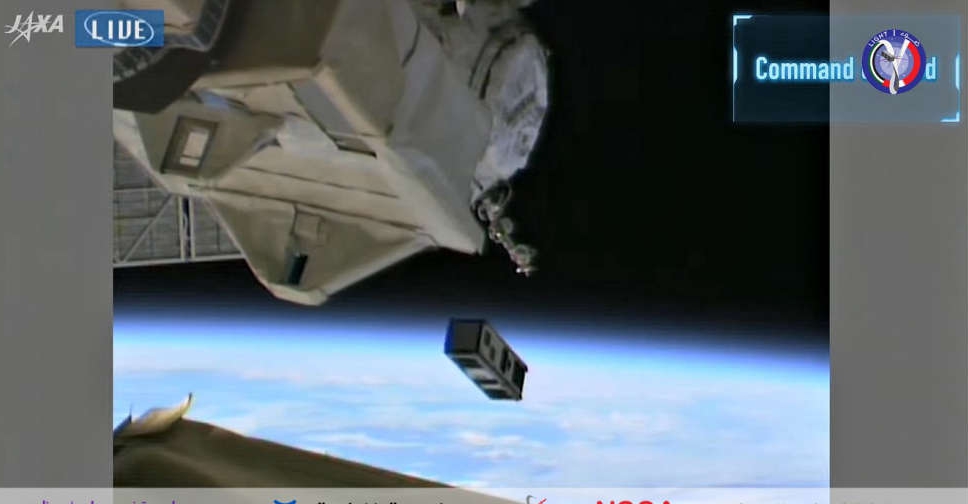
The UAE-Bahraini Light-1 CubeSat has been successfully launched into orbit from the International Space Station, in cooperation with the Japan Aerospace Exploration Agency (JAXA).
The nanosatellite is a joint initiative between the UAE Space Agency, Bahrain’s National Space Science Agency, Khalifa University of Science and Technology, and New York University (NYU) Abu Dhabi.
JAXA coordinated the launch from the Tsukuba Space Centre (TKSC), and the event was livestreamed.
The Light-1 CubeSat represents the region’s first scientific mission to monitor and study Terrestrial Gamma-ray Flashes (TGFs) from thunderstorms and lightning.
The data gathered will be shared globally to support scientific analysis and encourage cooperation with research centres around the world.
The team that worked on the design and development of Light-1 bus consists of 22 students from Khalifa University including nine Bahrainis, 10 Emiratis, and three international students, advised by Dr. Firas Jarrar, Manager, Yahsat Space Lab, Assistant Professor, Mechanical Engineering.
The NYU Abu Dhabi team of five Emirati students and five international students, who worked on the development of the payload called Rapid Acquisition Atmospheric Detector (RAAD – Arabic for ‘thunder’), was advised by Dr. Francesco Arneodo, Programme Head of Physics, and Dr. Mallory Roberts, Professor of Physics.
The impact of high-energy gamma-ray emissions on atmosphere, air traffic and human health, especially flight crews, will be studied by Light-1.
These rays can penetrate aircraft structures, and therefore the data will improve understanding related to radiation exposure.
Light-1’s gamma-ray detection system RAAD, designed and assembled with a unique layout, and making use of state-of-the-art detection devices, is competitive with bigger satellites and can make an impactful contribution to the comprehension of TGFs.
Thanks to its innovative technology, the Light-1 nanosatellite might become a pathfinder of future and larger missions targeting gamma rays.
Congratulation! the UAE-Bahrain Nanosatellite Light-1 Successfully Deployed into Earth’s Orbit by key entities and experts to achieve one common, inspiring goal pic.twitter.com/lwW2fNDJc3
— وكالة الإمارات للفضاء (@uaespaceagency) February 3, 2022


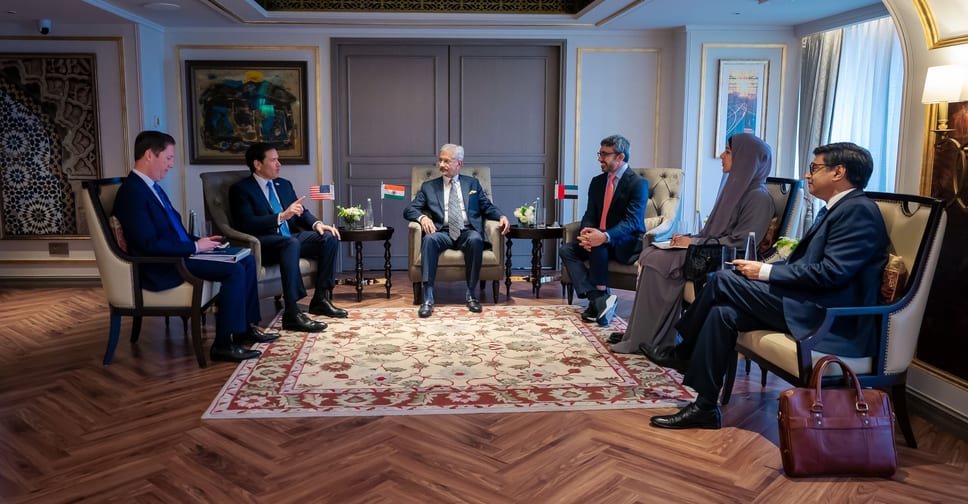 UAE Foreign Minister joins US, India counterparts for trilateral talks
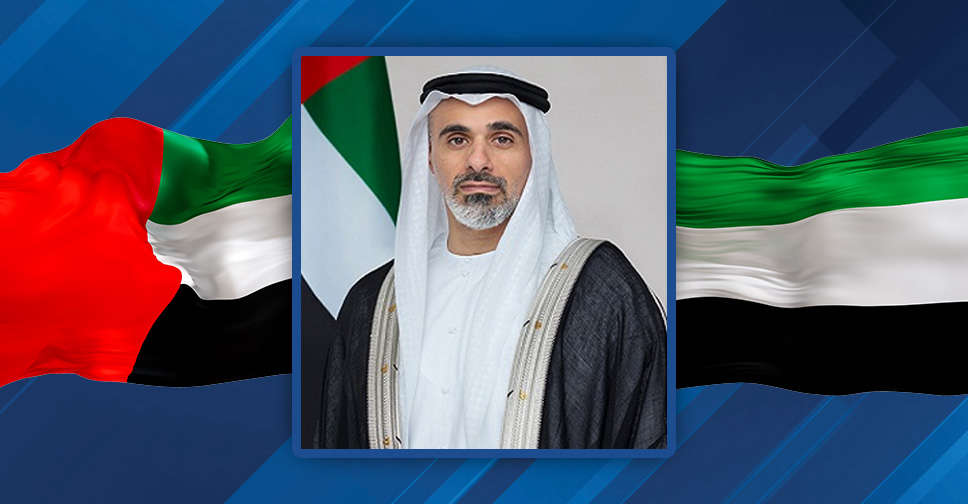 Abu Dhabi Crown Prince set for official visit to Greece
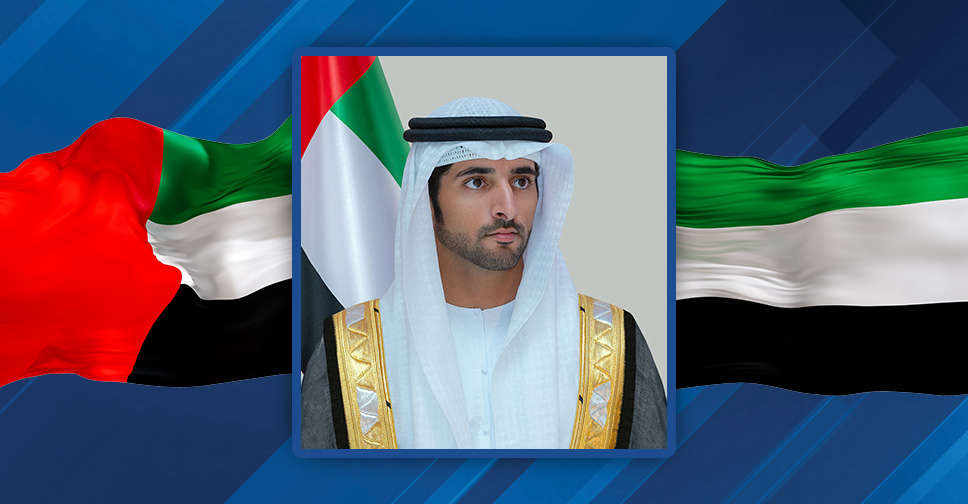 H.H. Sheikh Hamdan names GDRFA's 'Red Carpet Travel Corridor' for Dubai-it award
 Sharjah Police reassure public over unusual smell
 Awqaf Dubai launches AED 73 million endowment shopping centre
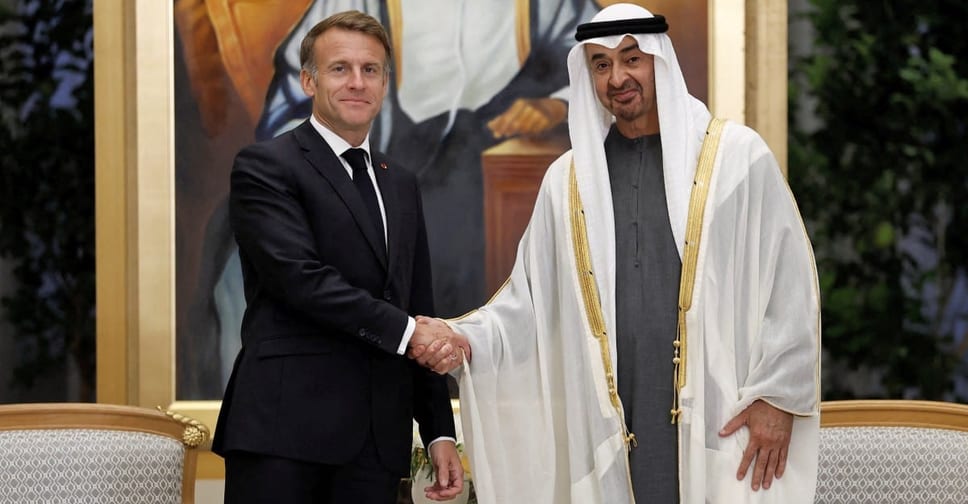 UAE, French Presidents discuss strategic ties and regional security
 UAE bans use of antibiotic ciprofloxacin for animals
 Online insults can lead to jail and AED 500,000 fine, Dubai authorities warn
 Gargash praises Dubai ruler's message of togetherness to Gulf people
 UAE condemns Israeli settler attack on European diplomatic delegation
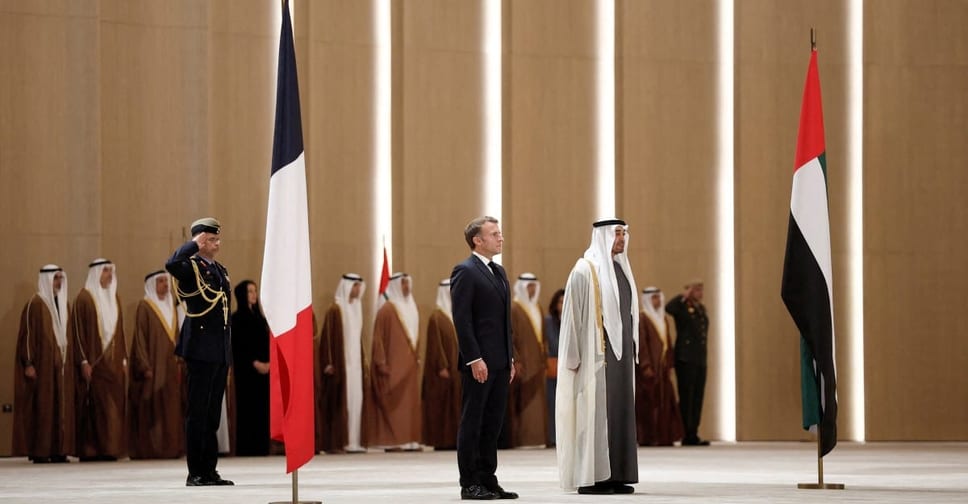 UAE President receives Emmanuel Macron on official visit
 Arab Media Award invites entries for 26th edition
 Marwah Fadel named first head of UAE’s public-run authority
 UAE carriers extends Saudi flight cancellations
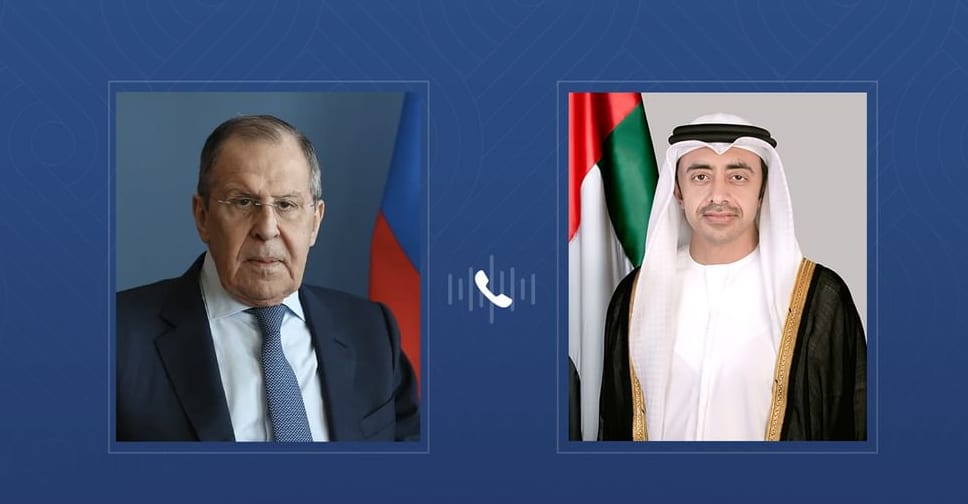 Sheikh Abdullah and Russia’s Lavrov discuss regional developments
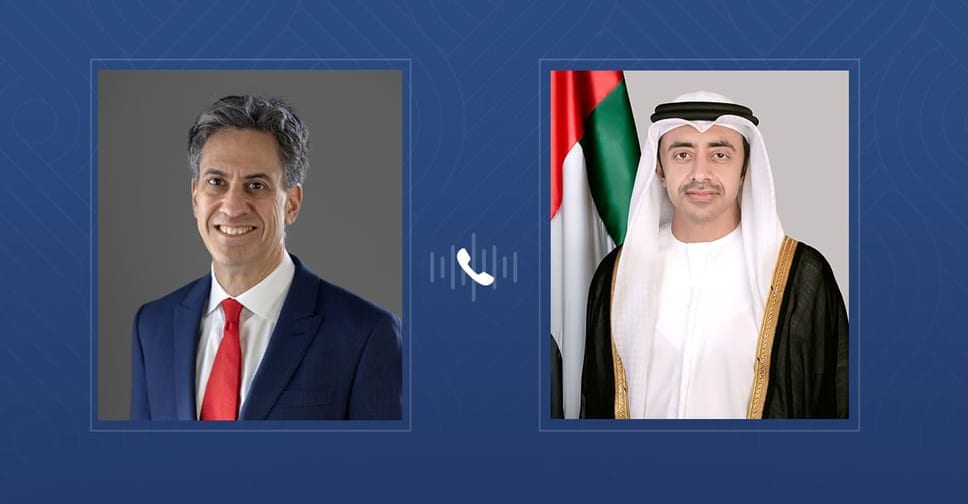 Sheikh Abdullah and UK’s Miliband discuss Middle East developments
 UAE President meets Saudi Defence Minister in Abu Dhabi
 UAE expresses solidarity with Saudi Arabia after death of two officers in helicopter crash
 Over 9,000 e-scooters seized in Abu Dhabi under road safety efforts
 H.H. Sheikh Mohammed seeks out next Arab Hope Makers