

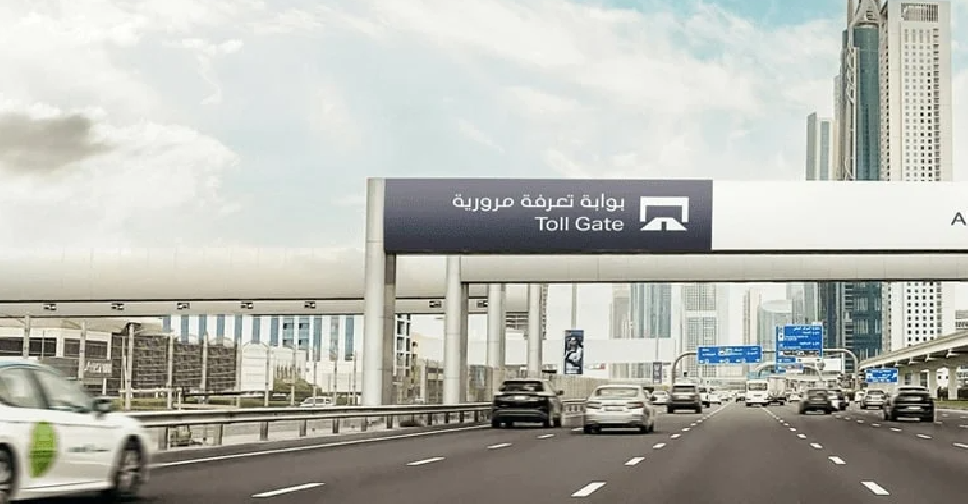
The introduction of variable Salik rates from January this year has helped reduce traffic flow on Sheikh Zayed Road by 9 per cent, new data released by the Roads and Transport Authority (RTA) has revealed.
Presented during an RTA workshop titled ‘Connecting Bridges’, the stats showed that "several measures have already been introduced" to improve traffic flow including "flexible working hours, remote work policies, dynamic road and parking tariffs, and broader restrictions on heavy vehicle movement".
With the population of the city set to reach eight million by 2040, Mattar Al Tayer, Director General, Chairman of the Board of Executive Directors of the RTA, emphasised that tackling rising traffic density requires a focus on sustainable, long-term solutions. Key among these is improving traffic flow efficiency by 20-30 per cent.
Al Tayer further emphasised that expanding the use of big data and AI will help better understand community needs and offer sustainable, long-term solutions.
Over the next three years, the RTA will deliver more than 30 strategic road and transport projects, with a total investment exceeding AED 40 billion, to keep pace with Dubai’s rapid growth. This includes the Dubai Metro Blue Line, which will serve nine key districts expected to accommodate around one million residents by 2040, and additional corridor enhancements to support a population projected to reach eight million by 2040.
Attended by His Highness Sheikh Hamdan bin Mohammed bin Rashid Al Maktoum, Crown Prince of Dubai, Deputy Prime Minister and Minister of Defence, the workshop brought together participants from 50 government and private-sector entities to work together on road infrastructure and mobility services.
Some of the major roadblocks
Outlining the main factors contributing to traffic density, Al Tayer cited that Dubai’s annual population growth rate at 6 per cent significantly outpaced the global average of 1.1 per cent. Vehicle ownership has also increased, with the number of registered vehicles reaching 2.5 million in 2024.
Additional factors like diverse driving behaviours shaped by the city’s multicultural population, limited trip planning, and a general lack of awareness around peak travel hours have also contributed.
Despite this rise in traffic volumes, Dubai continues to outperform several global cities, including Singapore, London, Sydney, and Montreal, in average travel time, according to annual traffic analysis reports by TomTom.

 H.H. Sheikh Mohammed explores project documenting history of 'Al Khuzam'
 H.H. Sheikh Hamdan stresses need for more specialised jobs for Emiratis
 Dubai Police arrests 3, recovers AED 190,000 within minutes of theft
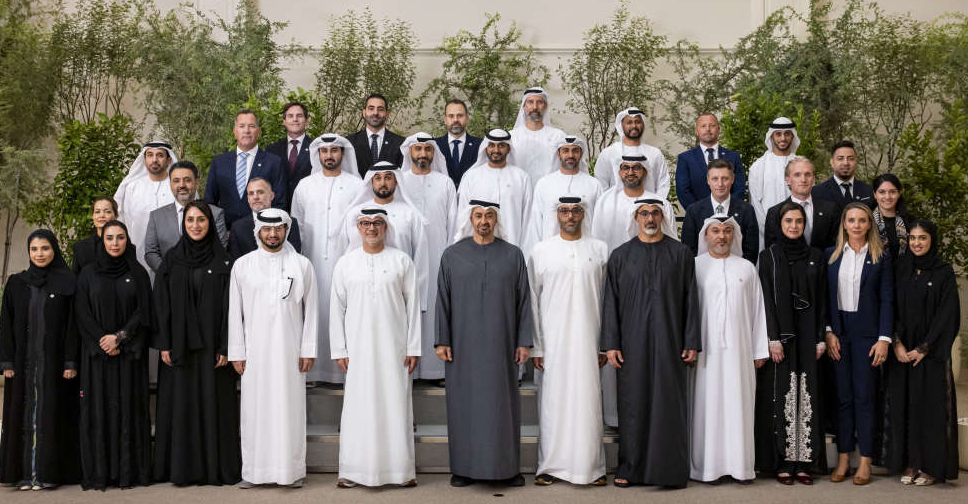 UAE President congratulates Ethara team for 'F1 Promoter of the Year' win
 UAE-Sweden joint operation targets organised crime network
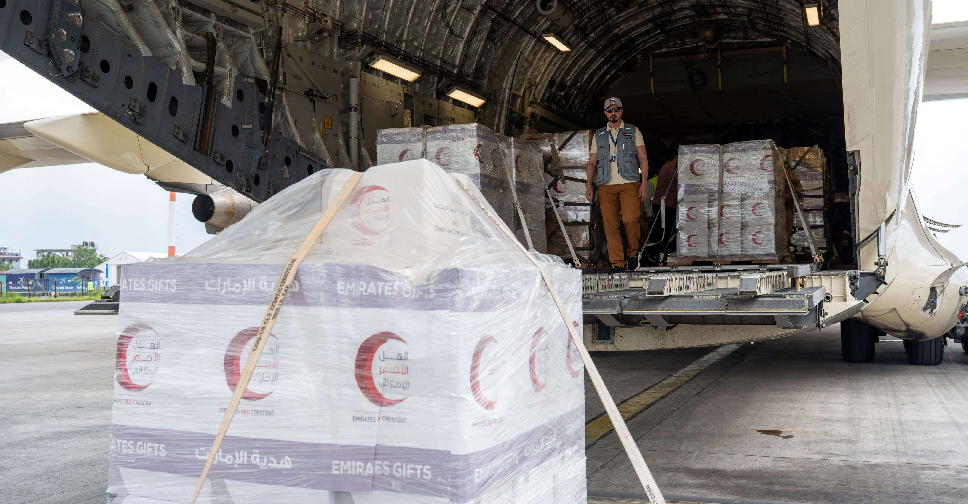 UAE expands support for Nepal with sixth aid plane
 H.H. Sheikh Hamad: 52 years of progress and achievement
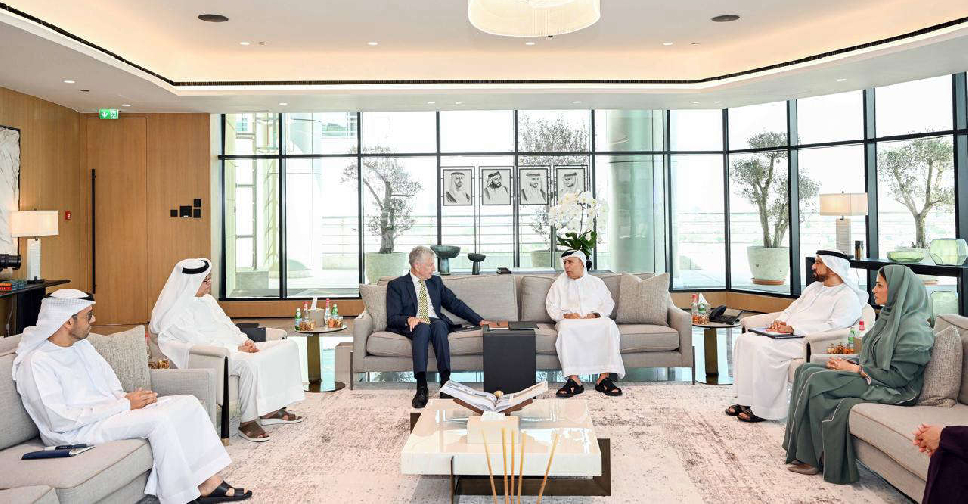 RTA and Dubai Airports advance plans for seamless airport connectivity
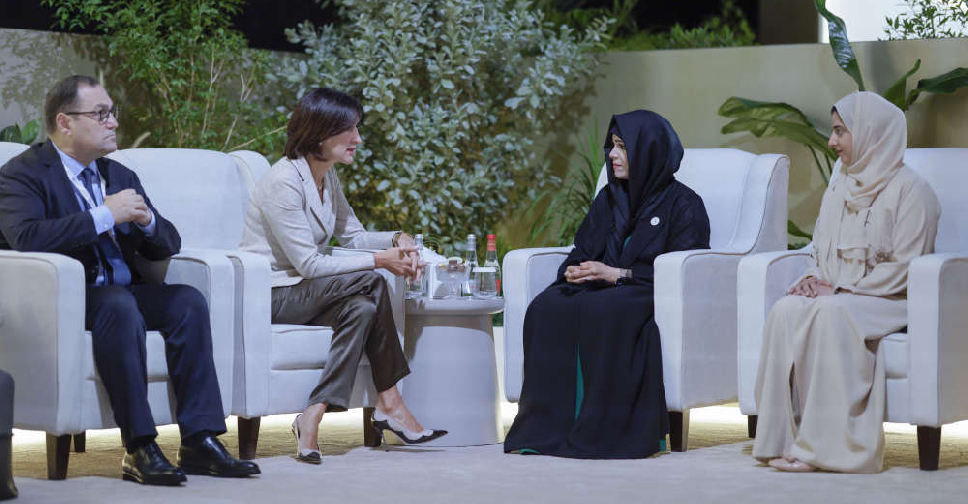 UAE, Georgia explore stronger cultural and media ties
 Abu Dhabi enables healthier food choices across tourism sector
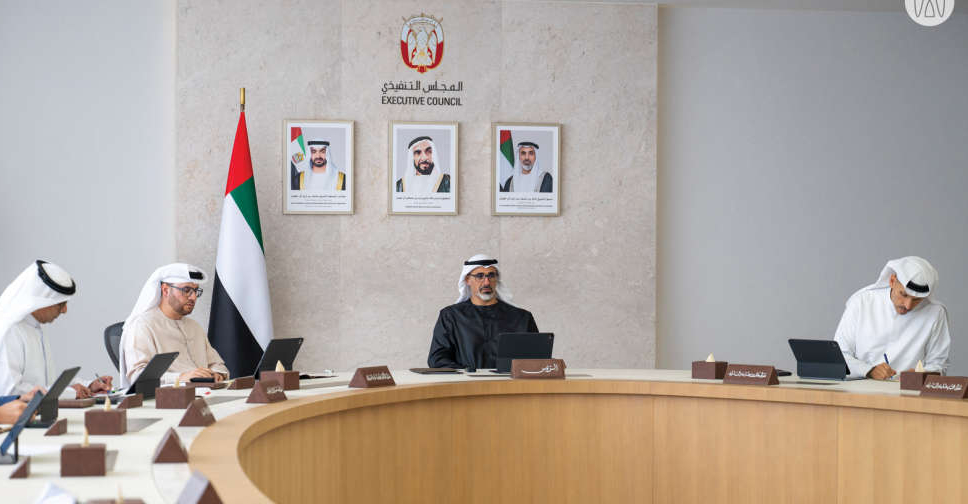 H.H. Sheikh Khaled approves programme to boost IVF success rates
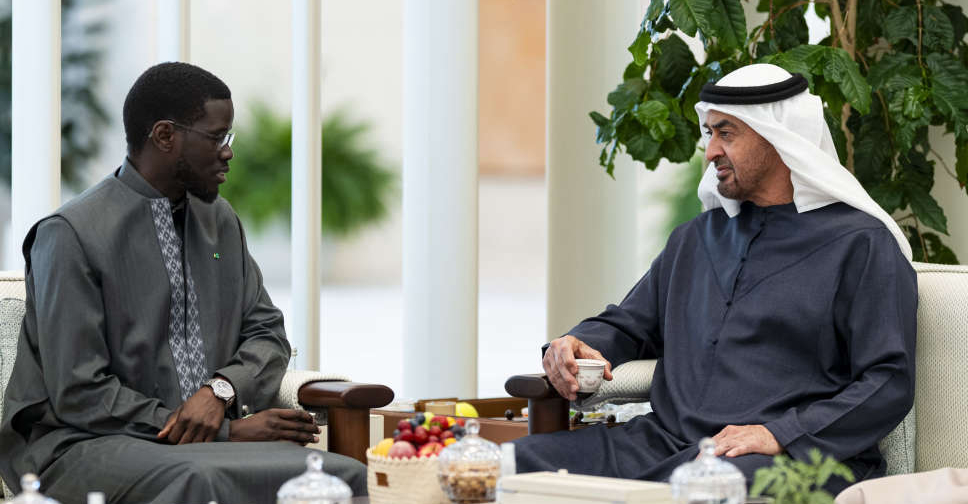 UAE, Senegal Presidents review priorities on water development
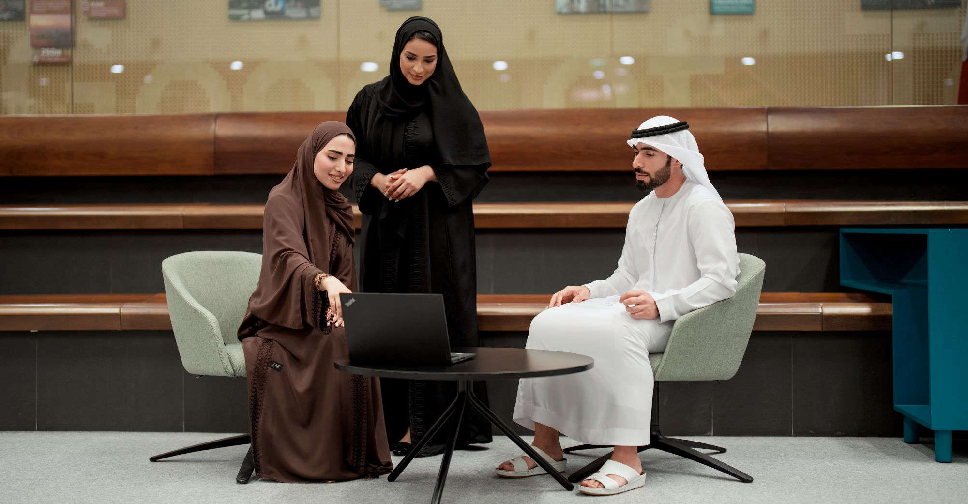 Dubai Holding expands career pathways for UAE Nationals
 Dubai's new 80km road corridor to boost inter-emirate connectivity
 UAE strongly condemns Houthis' attempted attack on Mecca
 Dubai strengthens cybersecurity dialogue with GISEC Global
 UAE shuts down 200 social media accounts for unlicensed recruitment
 UAE Floating Hospital admits 11 new patients from Gaza
 UAE strongly condemns Houthi attacks on Saudi civilian facilities
 Etihad Airways, Etihad Rail to explore enhanced UAE air-rail transport integration

