
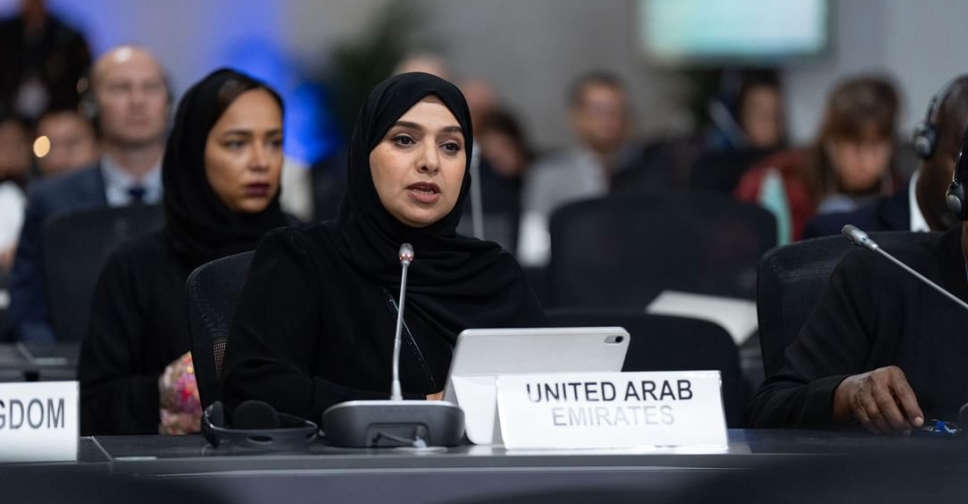
The UAE concluded its participation in COP16 to the United Nations Convention to Combat Desertification (UNCCD) by emphasising the importance of strengthening international cooperation to develop practical solutions for halting desertification and addressing drought.
The UAE also underlined the importance of the active involvement of all community groups, with a focus on enhancing the role of women in global sustainable land management.
COP16 was held in Riyadh from December 2-13 under the theme Our Land. Our Future. The conference aimed to explore strategies for transforming land degradation into renewal. The United Nations Convention to Combat Desertification (UNCCD) serves as the global advocate for bringing together governments, businesses, and civil society to address challenges and collaboratively shape a sustainable future for land.
Dr. Amna bint Abdullah Al Dahak, Minister of Climate Change and Environment, who led the UAE delegation at the conference, said the UAE serves as an inspiring model for advancing sustainability within the country and globally. She highlighted the UAE’s pioneering efforts and initiatives, which have contributed to the development of several communities in various nations.
"COP16 on combating desertification marked a new chapter in the UAE’s achievements to address the global drought crisis and halting land degradation. Through effective contributions to global efforts, the UAE has strengthened sustainable agriculture and food systems, and leveraged innovation to develop solutions to the global water crisis, particularly through the ‘Mohammed bin Zayed Water Initiative’ and other efforts," she said.
She added, "Our goals include addressing national challenges, expanding innovation-driven agriculture and food systems, promoting sustainable water management, and maximising the benefits derived from natural resources while preventing waste. Additionally, our teams played an active role in rallying global efforts in this regard."
During his participation in a session titled Strengthening the Environmental Dimension of Food Systems Amid a Polycrisis in the Arab Region, Mohammed Saeed Al Nuaimi, Undersecretary of the Ministry of Climate Change and Environment, emphasised water scarcity is a significant challenge for the Arab region.
He said, "We must invest in climate-smart land solutions to mitigate the impacts of climate change and enhance climate resilience across the Arab region. The success of these efforts hinges on cooperation, as the active participation and coordination among the various stakeholders is urgently needed to achieve the shared goals of our Arab nations."
He said tackling the challenges of climate change, water scarcity, land degradation, and desertification calls for concerted regional efforts. These include leveraging advanced technologies, strengthening resource management, and enhancing international cooperation. He said: “During our Presidency of COP28, we highlighted the critical role of agri-food systems in addressing these challenges and prioritised placing food systems at the heart of the climate action agenda.”
The COP28 UAE Declaration on Sustainable Agriculture, Resilient Food Systems, and Climate Action, endorsed by 160 nations to date, underscores that achieving the goals of the Paris Agreement relies on addressing the interconnections between food systems, agriculture, and climate.
He also highlighted the ‘Plant the Emirates’ National Programme, which aims to empower local communities in achieving sustainable food security in the UAE by encouraging their participation in agricultural practices. HE also referred to the ‘National Agriculture Centre’, which aims to advance research and innovation in agricultural technologies.
Hiba Obaid Al Shehhi, Acting Assistant Undersecretary for Biodiversity and Marine Life Sector at MOCCAE, participated in a session titled High Level Interactive Dialogue of the Gender Caucus: Her Land: Women's leadership on sustainable land management. She emphasised the UAE's commitment to gender equality as part of the nation’s efforts to address the impact of climate change, particularly in sustainable land management.
She added, “The climate crisis does not affect one gender more than the other; both women and men are significantly impacted by climate change. This presents a unique opportunity to strengthen efforts to combat desertification, land degradation, and drought, while enhancing the leadership role of women and girls by leveraging their expertise, knowledge, and skills.
“The presence of women in this field globally remains modest, which necessitates the formulation of more effective and inclusive policies and projects. Women constitute nearly 50 per cent of the agricultural workforce worldwide; however, they own less than one-fifth of the total land globally.”
Al Shehhi highlighted the significant role of the UAE in empowering women in agriculture through efforts that included a project to enhance the capabilities of refugees in Uganda, funded by the Sheikha Fatima Fund for Refugee Women, in collaboration with the United Nations High Commissioner for Refugees.
She added, “The call to enhance the role of women in achieving climate resilience and land restoration aligns with our national strategies. Women play a pivotal role in shaping policies and driving innovative solutions to combat land degradation and desertification.”
Hiba Al Shehhi also participated in a session titled Multilateral Environmental Agreements Synergies for Strengthened Environmental Governance: Insights from the Bern III Conference, where she emphasised that climate change, biodiversity loss, and land degradation represent a link between interconnected environmental crises. Addressing these challenges requires a comprehensive response, she said.
Al Shehhi described the launch of the Mangrove Alliance for Climate (MAC) by the UAE in collaboration with the Republic of Indonesia, which aims to globally expand the planting of mangrove trees, which act as natural carbon sinks, and serve as a vital link in preserving the marine environment and biodiversity. The alliance currently includes 45 countries. She also shed light on the groundbreaking ceremony of the Mohamed bin Zayed - Joko Widodo International Mangrove Research Centre in Indonesia, which will lead research and innovation efforts to expand mangrove forests globally.
Al Shehhi emphasised the importance of enhancing international cooperation by aligning actions with global frameworks such as the United Nations Convention to Combat Desertification, the Convention on Biological Diversity, and the United Nations Sustainable Development Goals (SDGs) to ensure coherent strategies.
She said, “Policy tools at national level can help enhance cooperation among diverse sectors.”

 UAE President meets delegations at Russia‑Ukraine‑US talks
 Sheikh Abdullah bin Zayed hails UAE role in Russia‑Ukraine‑US talks
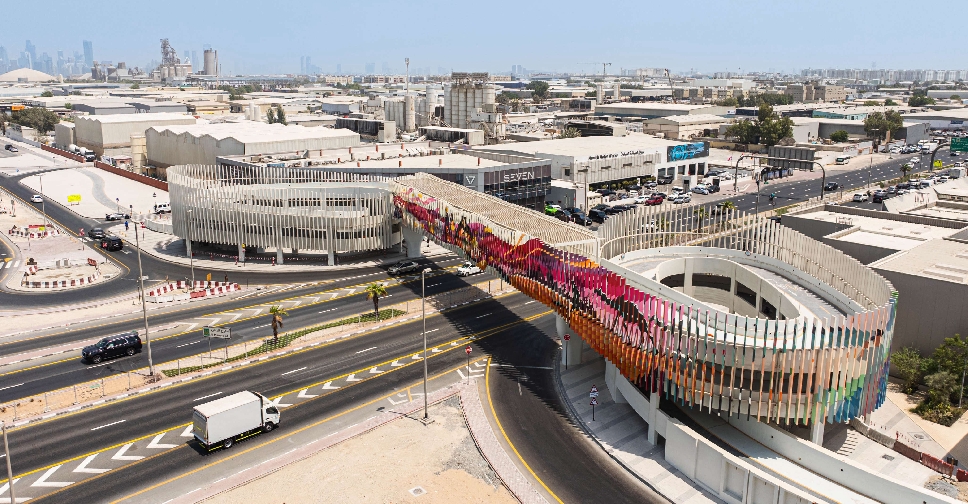 Major infrastructure projects completed in Al Quoz Creative Zone
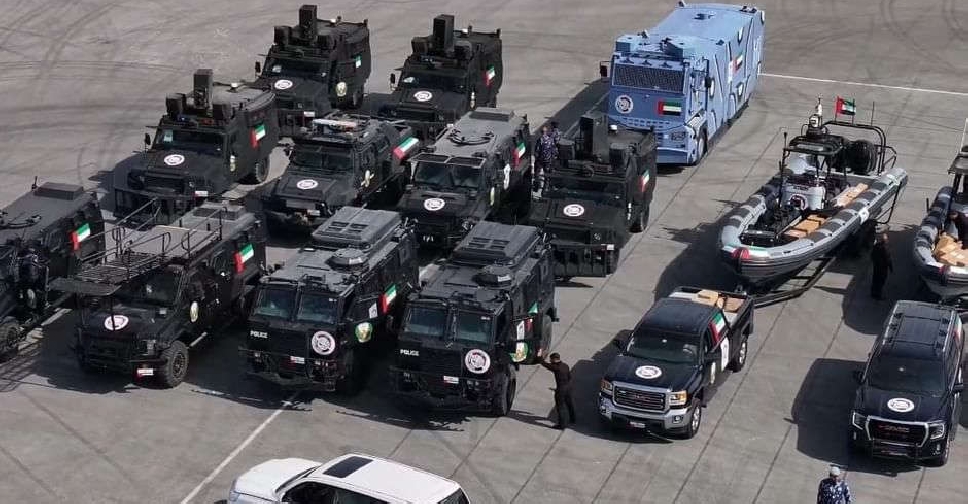 UAE joins GCC security drill in Qatar
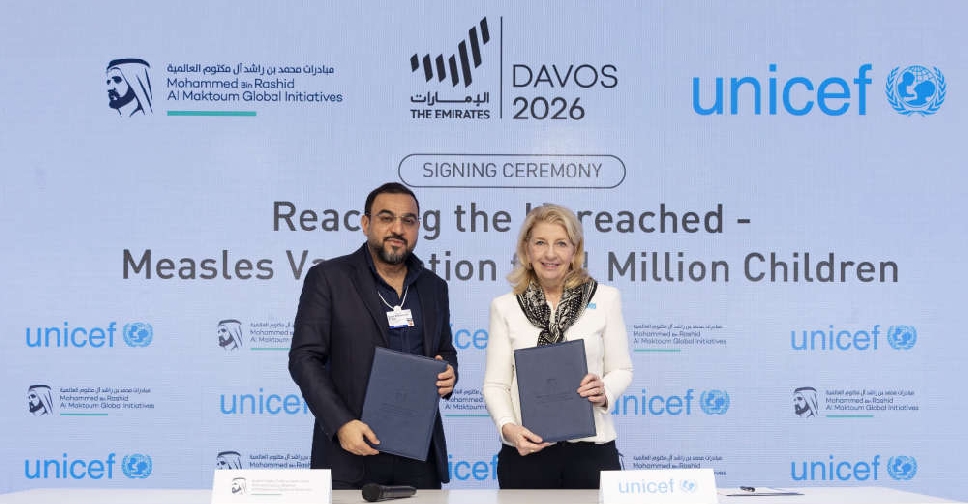 MBRGI backs UNICEF measles vaccination drive for 1 million children
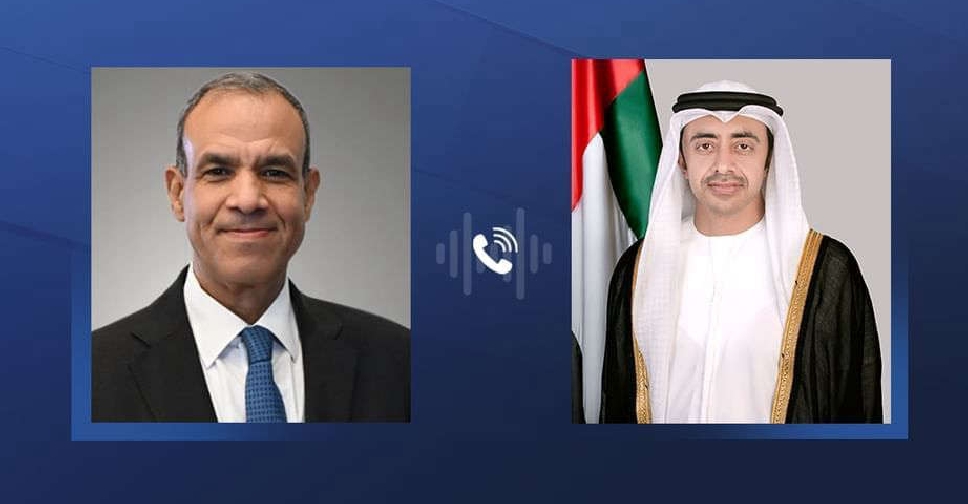 UAE, Egypt foreign ministers discuss regional developments
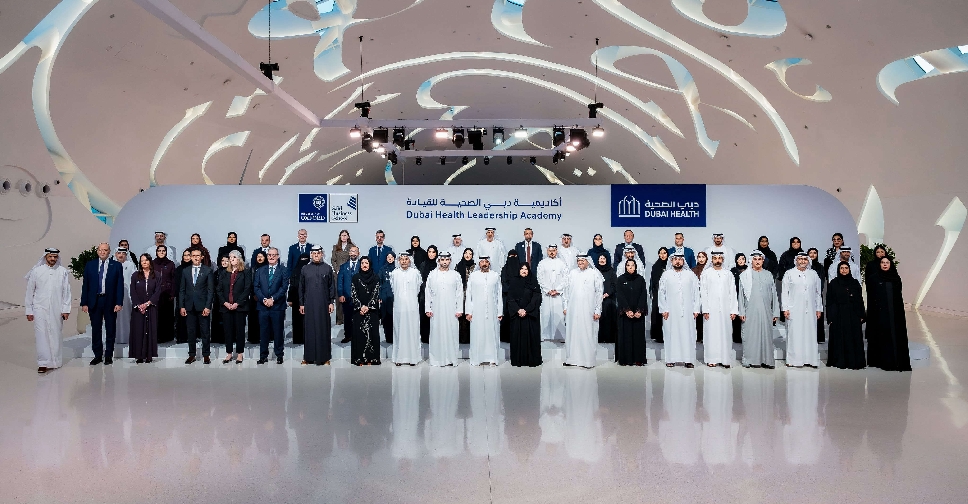 Dubai strengthens healthcare leadership through Oxford-backed programme
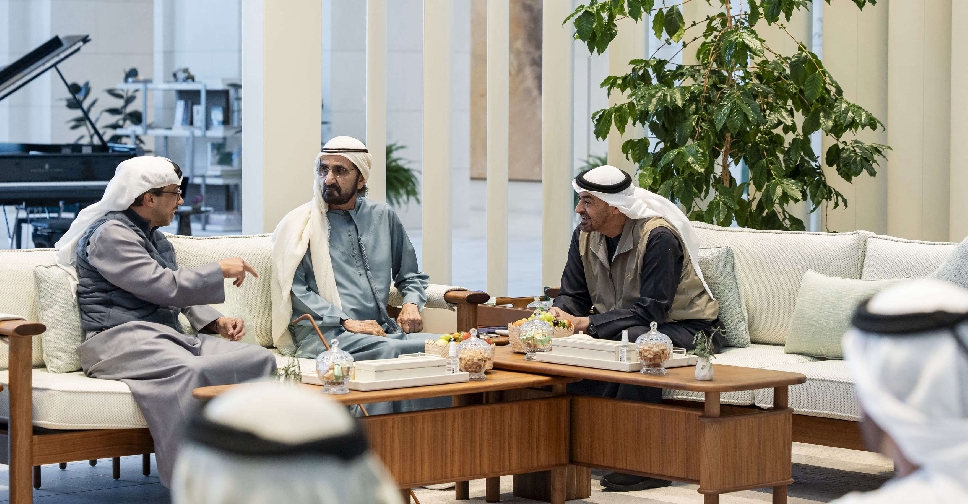 UAE leaders review development initiatives
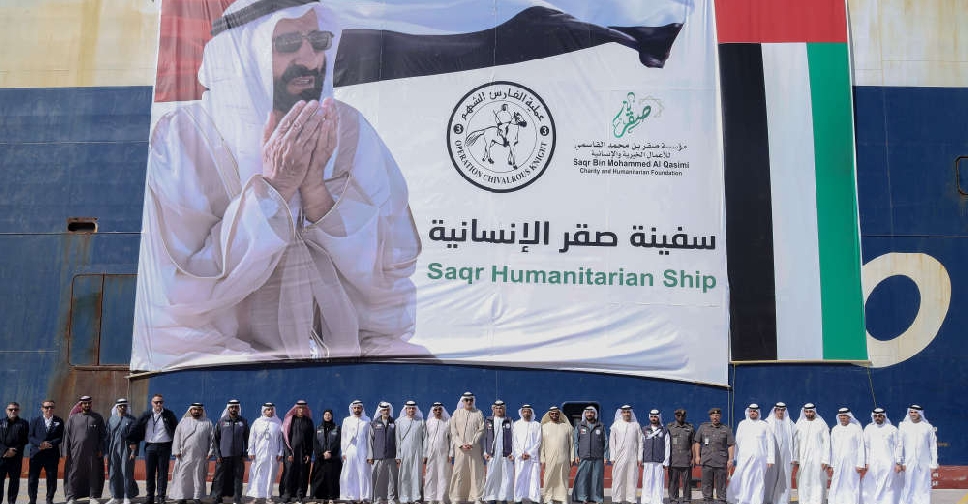 Saqr Humanitarian Ship sets sail with 4,000 tonnes of aid for Gaza
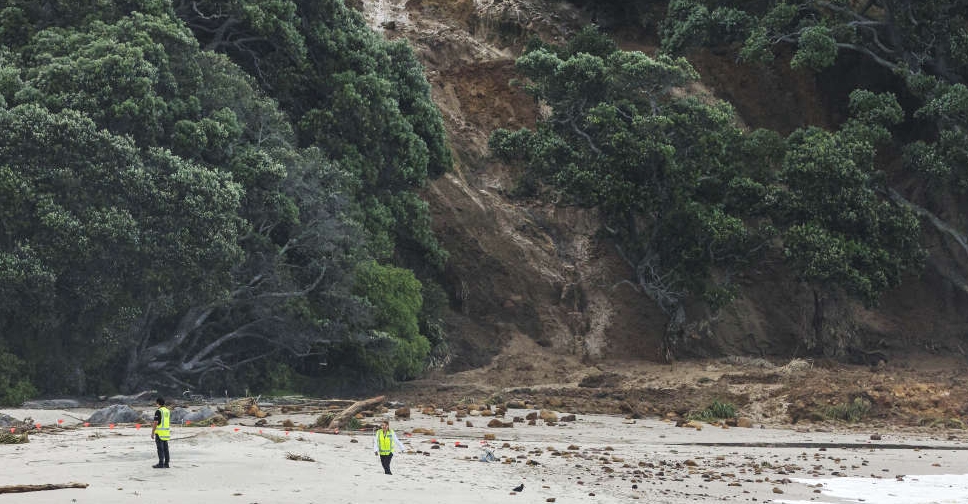 UAE expresses solidarity with New Zealand over floods, landslides
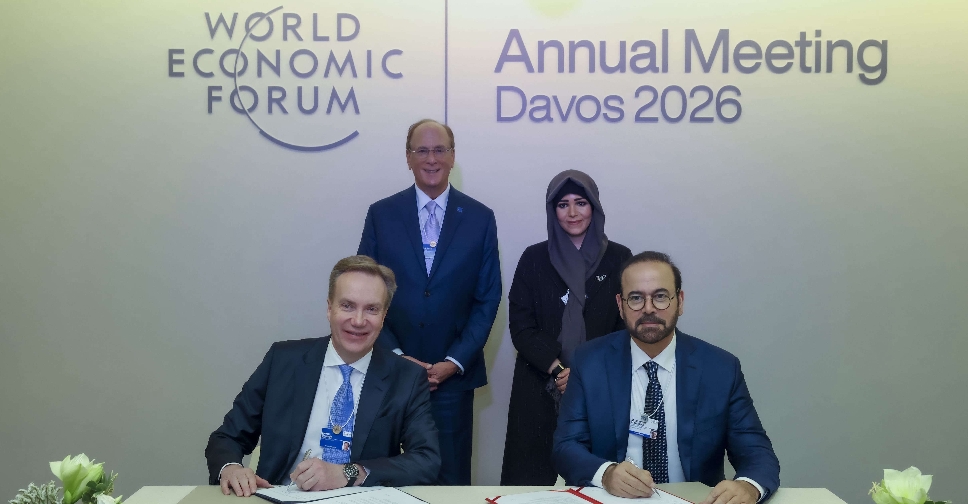 UAE and WEF launch new phase of partnership
 H.H. Sheikh Mohammed unveils District IO project for 'emerging economic sectors'
 Dubai fast‑tracks first‑time home ownership for over 2,000 residents
 H.H. Sheikh Hamdan honours graduating cadets at Dubai Police Academy
 UAE, seven other nations welcome invitation to join 'Board of Peace'
 H.H. Sheikh Hamdan attends launch of first 'Hewi Dubai' community space
 Dubai sets world record for largest virtual sign language class
 MBRGI pledges support to UNHCR healthcare projects
 UAE pledges $5 million to support emergency response in Sudan

