
A programme to monitor plastic pollution in the sea and coastal areas of the country has been launched by the Ministry of Climate Change and Environment (MoCCAE).
The study aims to identify the types of waste reaching the country's waters and then implement measures to limit its environmental impact, in line with its efforts to preserve marine resources, seawater quality, and beach cleanliness within the general framework of the Year of Sustainability.
A series of scientific studies will be conducted as part of the programme to enhance efforts to reduce plastic waste, using a wide range of methods to measure the quantities and sizes of plastic waste in the country’s seawater and beaches.
The study aims to identify the types of plastic pollution in the country's waters and then implement the necessary precautionary measures to ensure the safety and health of humans and marine life. Additionally, it highlights the importance of adopting responsible consumption within society to minimise plastic waste and avoid disposing of it in seawater and the environment in general.
Dr. Mohamed Al Hammadi, Assistant Under-Secretary for Biodiversity and Marine Life Sector at the Ministry of Climate Change and Environment, said, "The programme contributes to the United Arab Emirate’s achieving the 14th Sustainable Development Goal set by the United Nations, which aims to conserve the oceans, seas, and marine resources and use them sustainably for achieving sustainable development."
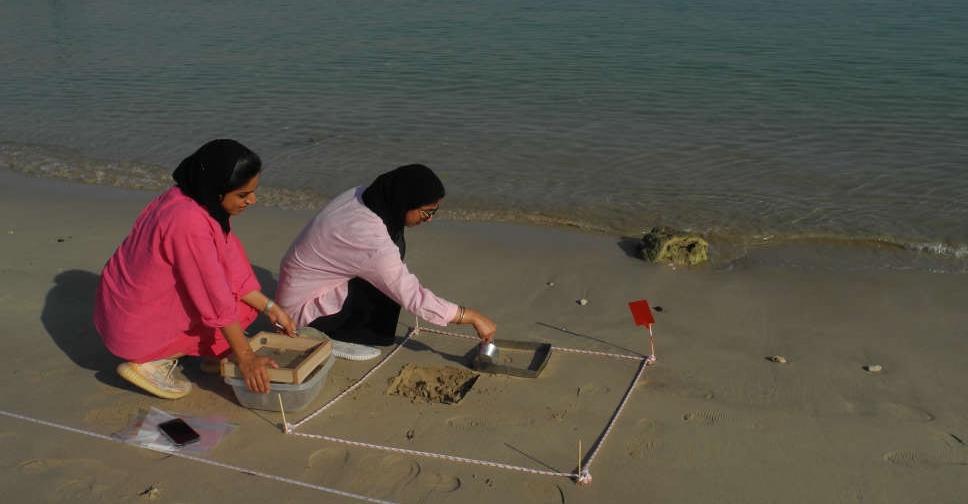
As part of the programme to monitor plastic pollution in the country’s water and beaches, a team from the Marine Environment Research Centre affiliated with the Ministry carried out a study to monitor plastic waste in the marine and coastal environments of the UAE.
Samples were collected from nine beaches along the country’s coastal area to measure the amount of plastic waste. These samples included beach waste, macroplastics, and microplastics.
The seawater samples were collected from 14 stations along the country's coastlines to measure the quantity of microplastics based on the topography and terrain of coastal areas and the dynamics of marine currents.
The collected beach waste was classified according to its type and weight following the United Nations Environment Program and the Intergovernmental Oceanographic Commission (UNEP-GESAMP) classification system. The necessary tests were conducted at the Marine Environment Research Centre laboratories.
Plastic waste is regarded as one of the most challenging environmental problems as it impacts water quality and soil and threatens the survival of terrestrial and marine organisms and human life. Many countries worldwide are working to reduce plastic production to alleviate pressure on the ecosystem.


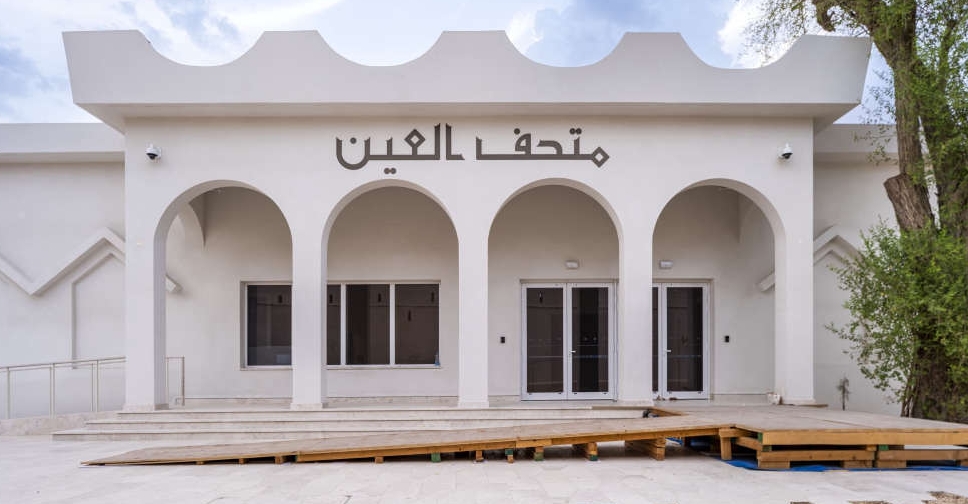 Abu Dhabi identifies over 40 modern heritage sites
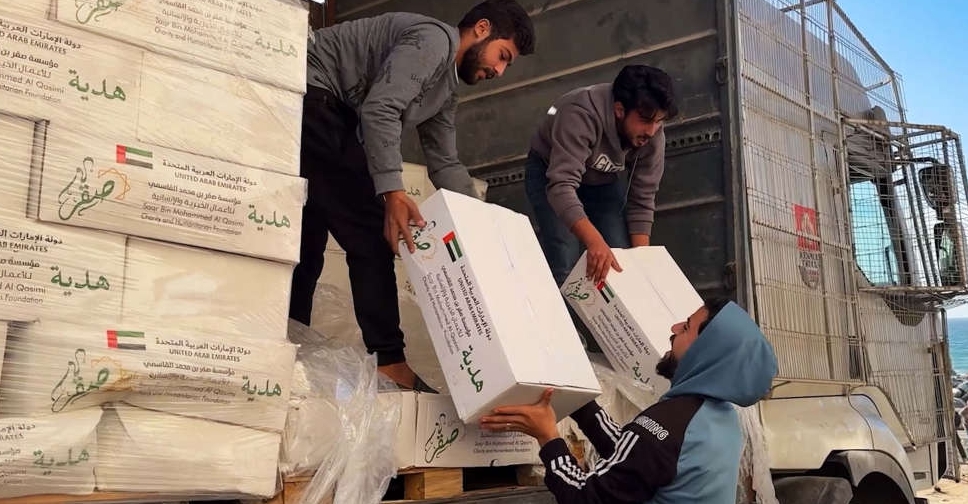 Distribution of aid from UAE's Saqr Humanitarian Ship begins in Gaza
 Dubai to expand bus and taxi lanes as public transport ridership grows by 7.4%
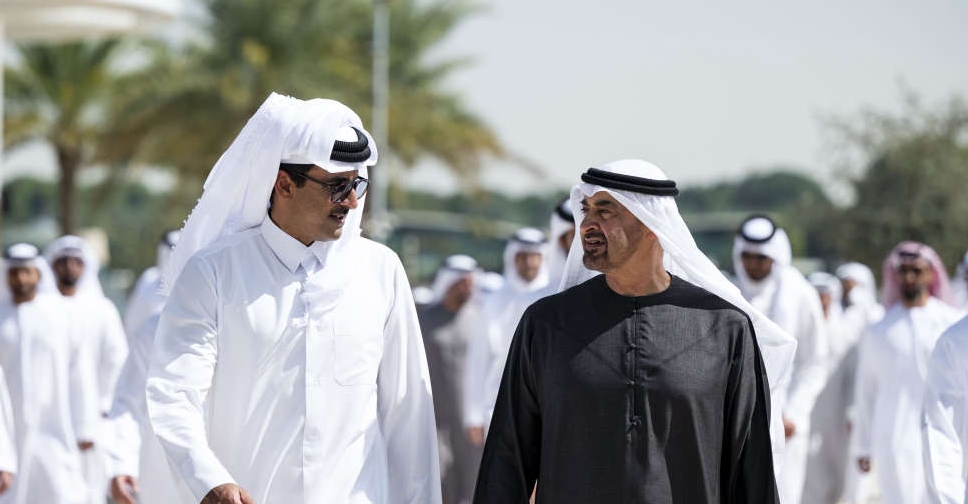 Emir of Qatar welcomed by UAE President on visit to Abu Dhabi
 UAE, Egypt Foreign Ministers discuss Gaza peace plan
 UAE, Pakistan leaders discuss boosting economic ties
 UAE, Bosnia FMs discuss strengthening bilateral relations
 H.H. Sheikh Mohammed launches campaign to rescue 5 million children from hunger
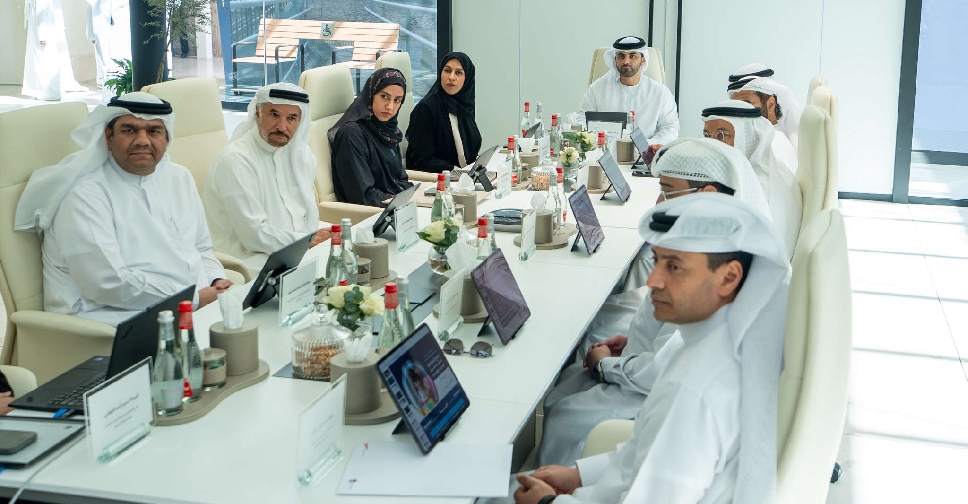 Dubai advances measures to support people of determination
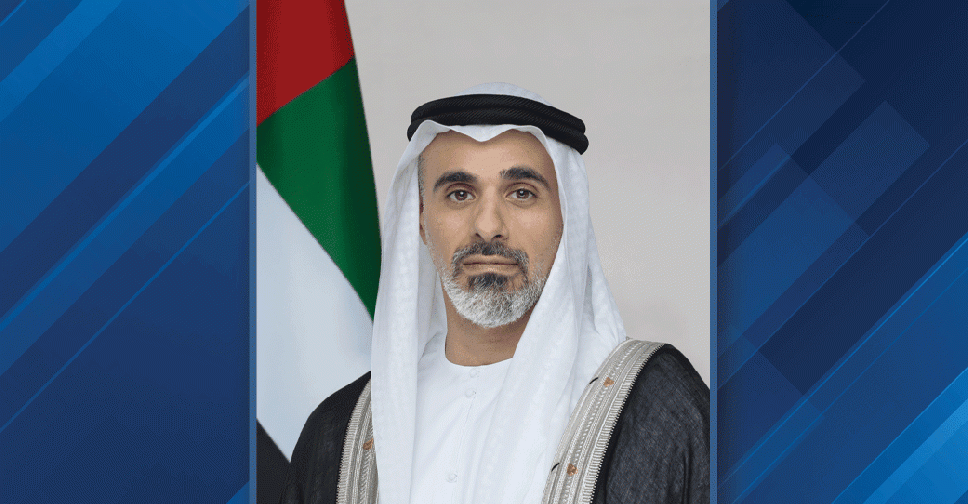 Abu Dhabi Crown Prince to lead UAE delegation at AI Impact Summit in India
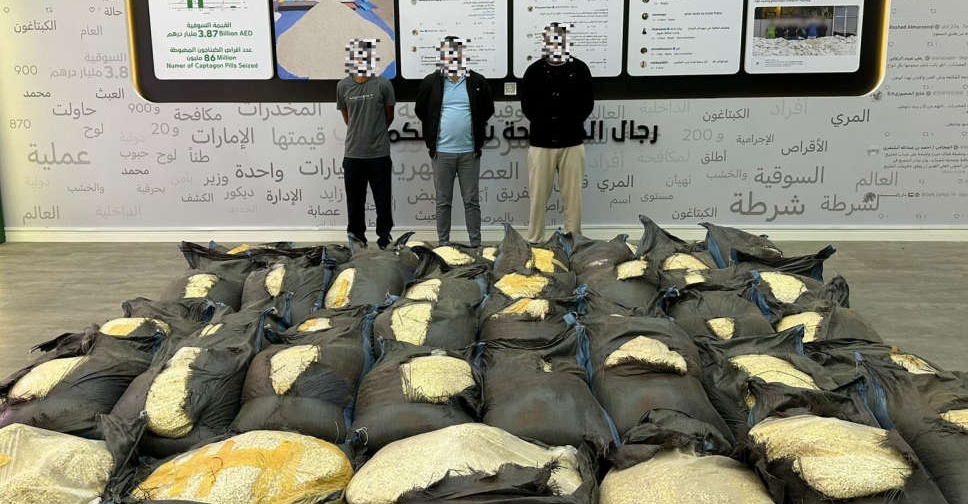 Over 14 million Captagon pills, hidden in grain sacks, seized in UAE–Kuwait operation
 Remote learning on Fridays during Ramadan for UAE public schools
 UAE clarifies enrollment rules for British curriculum schools
 UAE announces temporary road closures in Al Dhaid
 Umm Al Emarat aid ship sets sail for Gaza Strip
 UAE announces Ramadan working hours for private sector
 H.H. Sheikh Hamdan highlights nation’s defence vision at naval college ceremony
 Members of UAE's National Identity Committee unveiled
 Ramadan working hours confirmed for UAE public sector
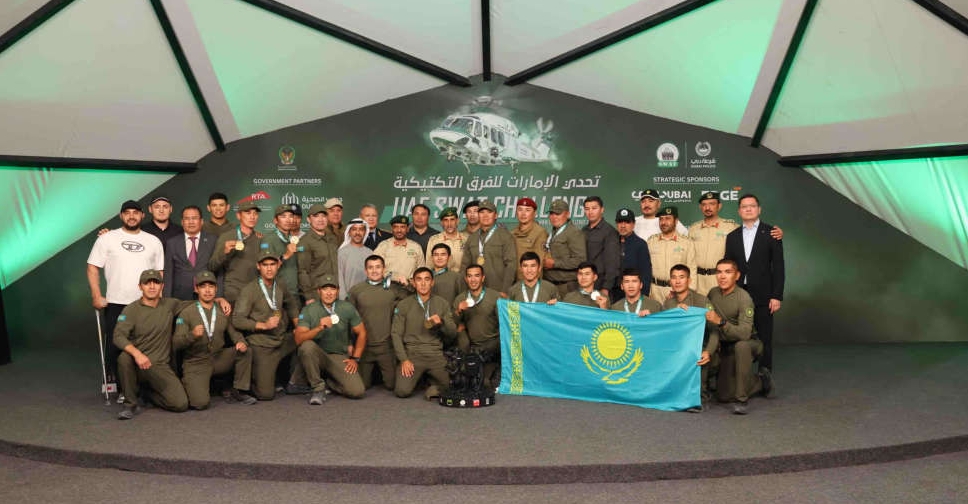 Kazakhstan crowned champions of UAE SWAT Challenge 2026

