
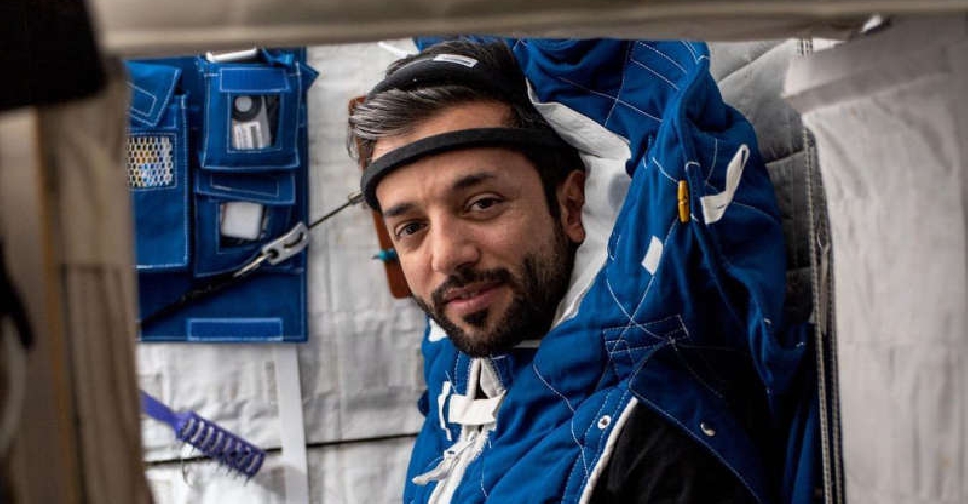
Astronaut Sultan Al Neyadi has successfully completed the Dreams experiment, providing key insights to assist in developing cognitive therapies to improve sleep quality and overall health during extended space missions.
The experiment, a pivotal achievement in sleep science and space research, was conducted by the Mohammed Bin Rashid Space Centre (MBRSC), in collaboration with the European Space Agency (ESA), French space agency CNES, and Toulouse University Hospital.
The Dreams experiment employs the innovative DRY EEG system to investigate the sleep patterns of astronauts in a microgravity environment on the ISS.
The impact of space travel on the circadian rhythms of astronauts is a crucial area of investigation for the Dreams experiment.
The unique conditions aboard the ISS, where astronauts witness 16 sunrises and sunsets each day, disrupt the natural day-night cycle, significantly affecting sleep patterns.
Al Neyadi wore a specially designed sleep headband equipped with an electroencephalogram sensor. This device captures a range of sleep-related data, such as sleep cycle durations and heart rate variations.
Reflecting on the experiment, Adnan Al Rais, Mission Manager, UAE Astronaut Programme, said the project "symbolises a crucial step forward in our understanding of the human body's adaptability in space.
"The knowledge we gain here is instrumental to the success of future long-duration space missions, including trips to the Moon and Mars. We are incredibly proud of the contributions made by the UAE towards the international space community.”
Sébastien Barde, Associate Director for Exploration and Human Spaceflight (CNES) added the significance of international cooperation on the ISS.
“For ESA astronaut Thomas Pesquet's Alpha mission, the Dream experiment was developed and monitored as part of the French contribution. CNES is delighted that this experiment is being continued with astronaut Sultan AlNeyadi. Science knows no frontiers, as this example clearly illustrates.”
The outcomes of this experiment will add to the collection of hypnic and neuroscience data on the ISS, which will be studied by the scientific community. The experiment exemplifies MBRSC's commitment to advancing the understanding of the challenges and complexities of human space exploration.
.@MBRSpaceCentre announced the successful execution of the Dreams experiment by @Astro_Alneyadi on the International Space Station. The experiment, a pivotal achievement in sleep science and space research, was conducted in collaboration with @esa, @CNES & Toulouse University… pic.twitter.com/HWvcLpRGMX
— Dubai Media Office (@DXBMediaOffice) July 16, 2023


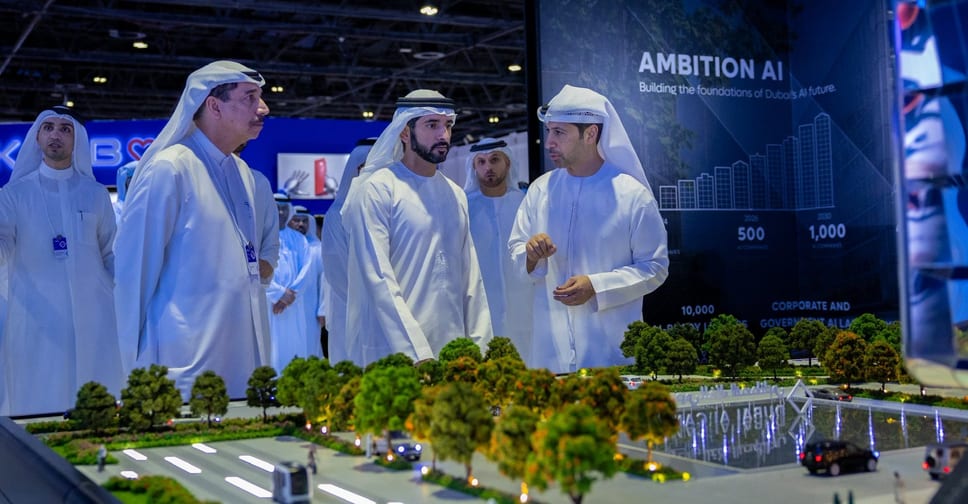 H.H. Sheikh Hamdan: Dubai steps up ambitions to become global AI hub
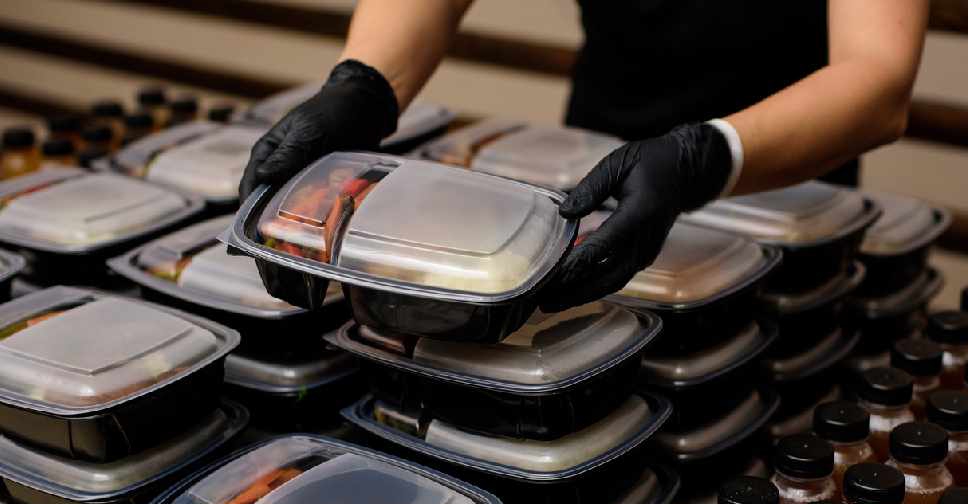 Dubai to feed surplus wedding food to those in need under new partnership
 Vehicle testing services introduced at Dubai parking locations
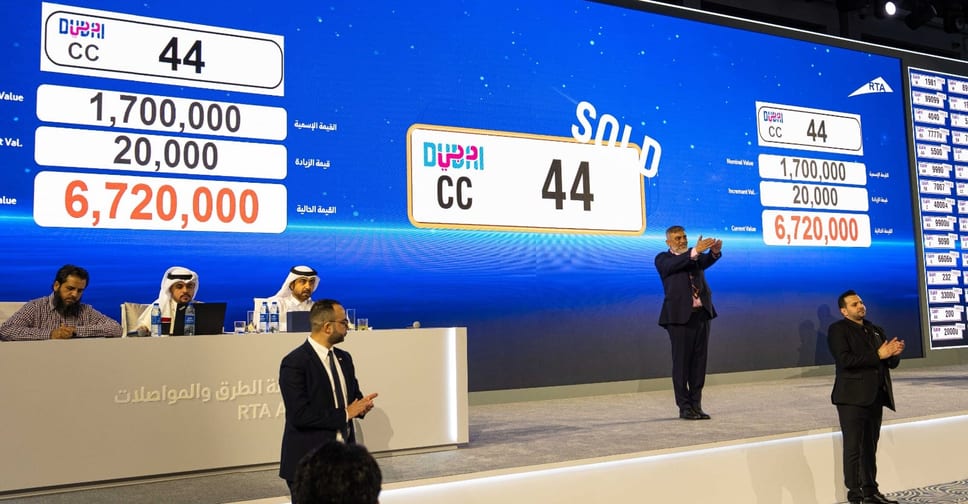 Dubai number plate 'CC44' fetches AED 6.7 million in auction
 UAE condemns Houthi missile attacks targeting Saudi Arabia
 Gargash responds to Iran speaker's criticism of Nusseibeh UN bid
 E611 lanes and Al Maktoum Airport tunnel to close for daytime testing
 Dubai outlines five initiatives under Food Security Strategy 2030
 UAE, Benin Presidents discuss development cooperation
 Abu Dhabi Crown Prince to make official visit to Canada on Monday
 UAE expresses condolences after Philippine Air Force training crashes
 UAE President offers condolences to Jordanian King over church attack
 Dubai awards stormwater drainage contracts worth AED3 billion
 UAE launches urgent earthquake relief response for Panama
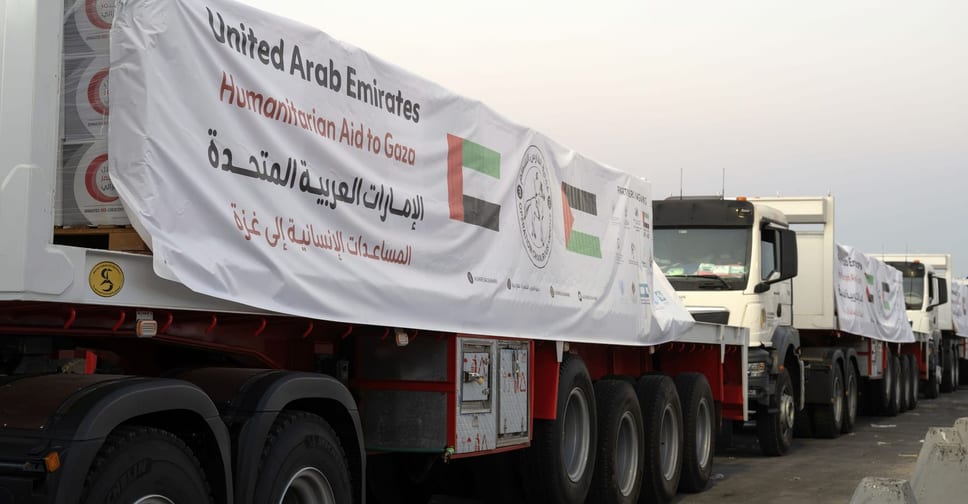 Two UAE convoys enter Gaza Strip carrying 260 tonnes of humanitarian aid
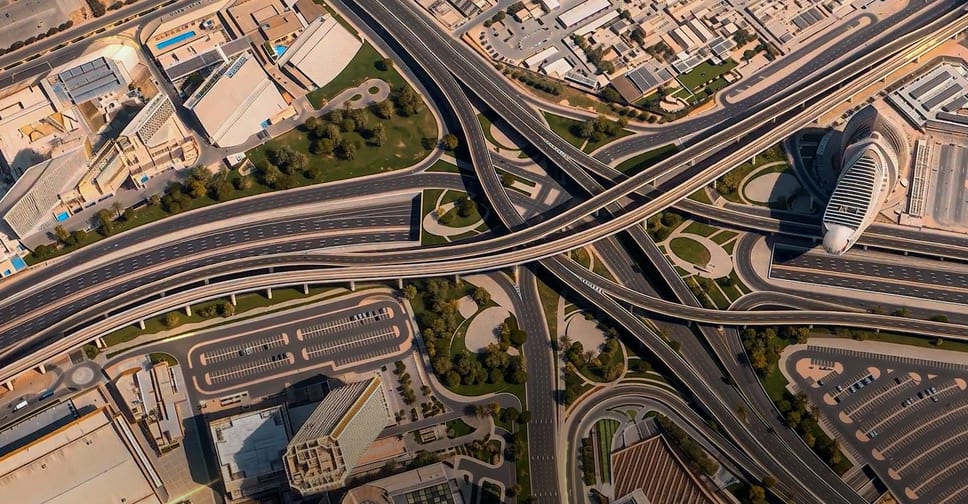 RTA to open final bridge of World Trade Centre Development Project
 Dubai Police impound over 10,000 vehicles and bicycles in 2025 over traffic violations
 Ras Al Khaimah closes all beaches 'until further notice'
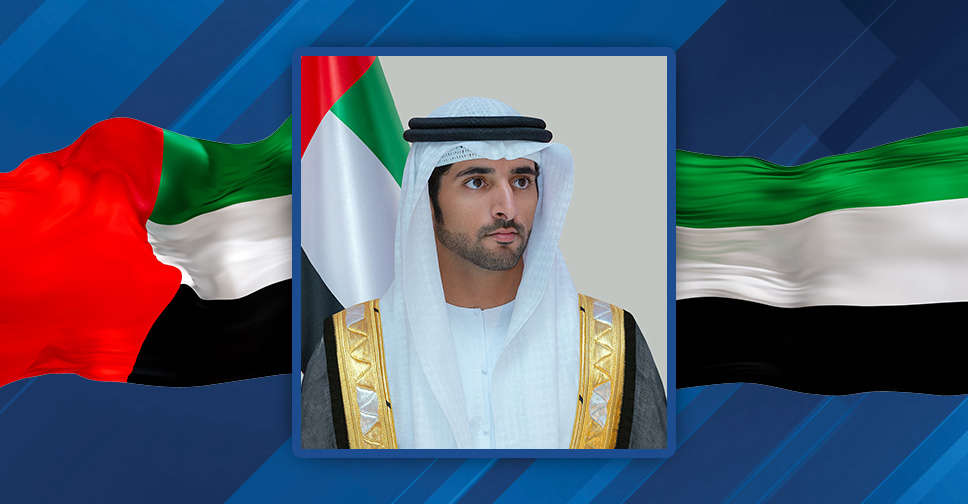 H.H. Sheikh Hamdan names FIX's popular 'Dubai Chocolate' for Dubai-it award
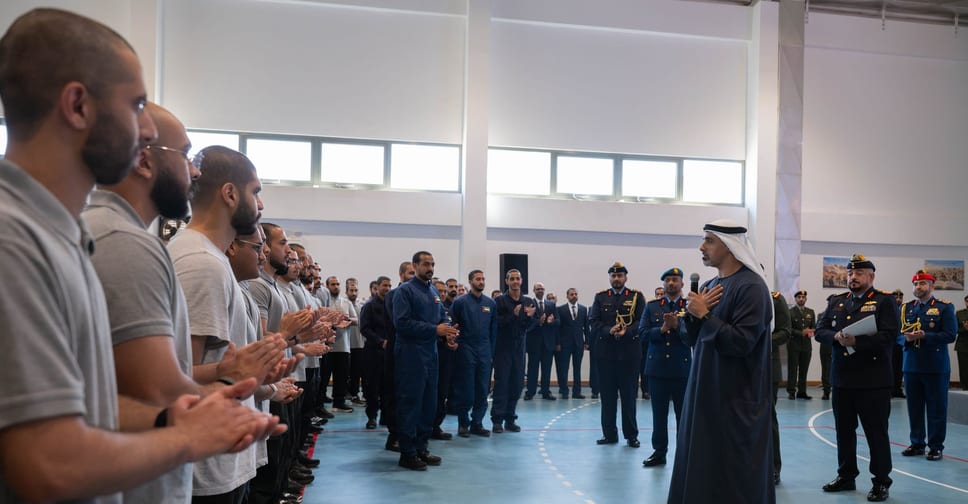 Abu Dhabi Crown Prince meets Emirati military students in Greece

