
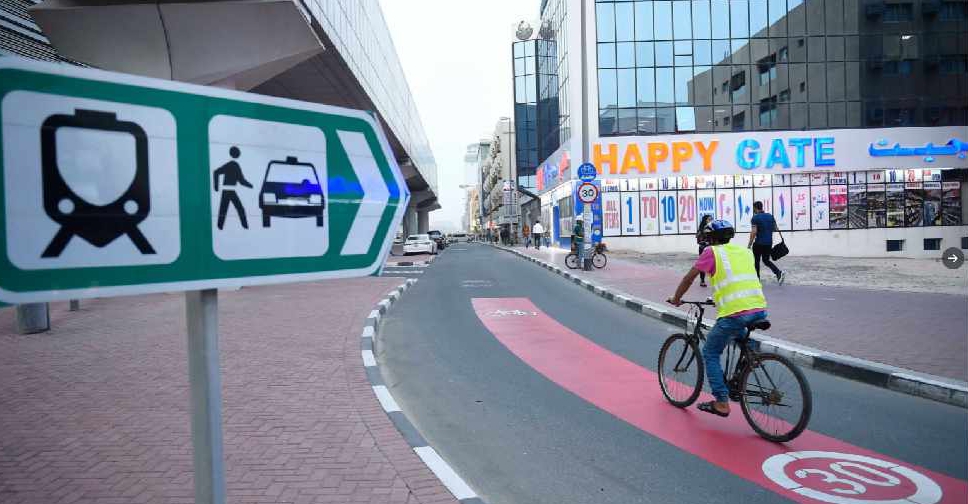
Dubai's Roads and Transport Authority (RTA) is going the extra mile to integrate mobility links for public transport users.
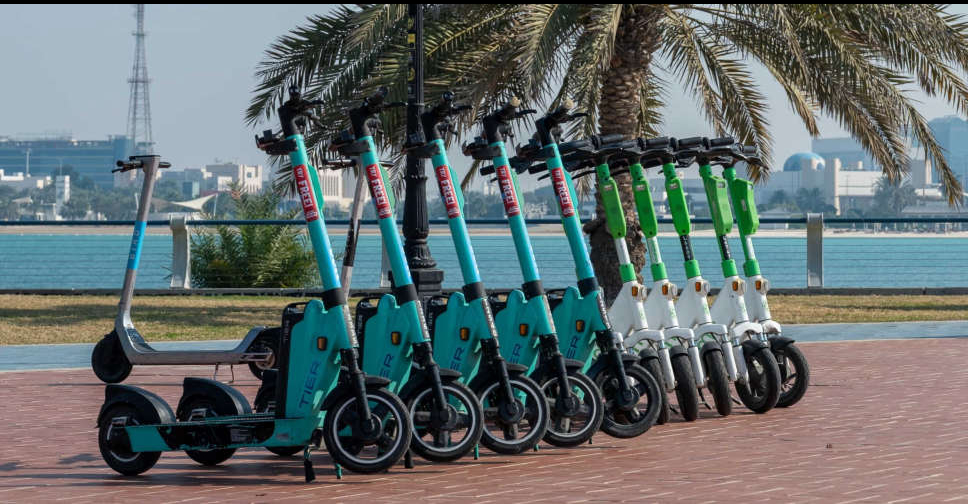
The 'First and Last-Mile' strategy looks into using buses, taxis, limos, smart rental cars and shared public/private transport for the first or last part of a journey leading, or nearest, to a public transport. They also include individual transit means such as scooters and electric bikes in addition to non-mechanical transit means like walking, biking, and others.
It effectively "boosts the integration with public transport means, promotes shared and mass transport, and contributes to developing effective policies and legislations for transport, roads and traffic".
The strategy is based on - sustainability, shared mobility and safety of users.
It entails the introduction of new mobility means, develops an infrastructure friendly to all, and encourages non-conventional transit means such as walking, biking, e-scooter, on-demand buses and shared mobility means, noted Mattar Mohammed Al Tayer, RTA Director-General and Chairman of the Board of Executive Directors.
The strategy also provides components of integrated transport and serves the needs of people of determination (persons with disabilities) as well.
It also requires the provision of cycling lanes, pedestrian crossings/rest areas, shaded areas and routes, landscaping, private rented car parking, bike racks, and pick-up and drop-off points, the RTA Director-General continued.
In March 2020, RTA will complete the initial phase of a master plan for soft mobility covering three residential areas namely Karama, Mankhool, and Al Qusais 1. The plan envisages the development of a friendly and integrated environment through enhancing the link between development projects and attractive areas and the use of non-conventional mobility means.
It caters to the integration of transit means that meet the needs of people of determination as well as other related elements like raised pedestrian crossings, and speed-calming devices. Soft mobility elements also include the installation of cautionary directional signs/marks, building routes shared by vehicles and non-conventional transit means, rest areas with greens and amenities, and shaded paths to encourage people to practice soft mobility.
RTA will expand the scope of soft mobility over this year to cover districts like Barsha 1 and 2. Next year, it will cover Al Bateen A, Baraha, Al Ras, Al Qusais 2 and 3 and Qusais Industrial Area 1. By 2024, the number of districts covered by soft mobility in Dubai will reach 27 districts.


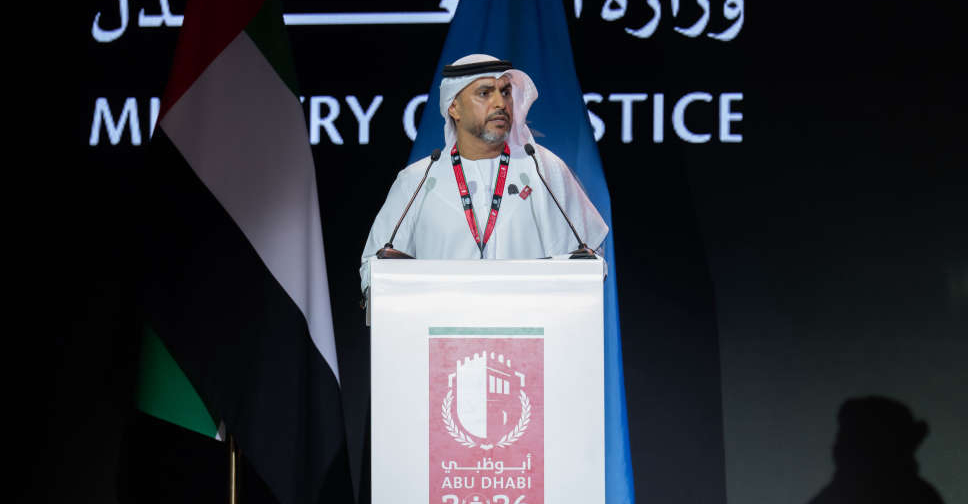 'Abu Dhabi Declaration' adopted as UN crime congress opens
 UAE expresses solidarity with DR Congo over plane crash
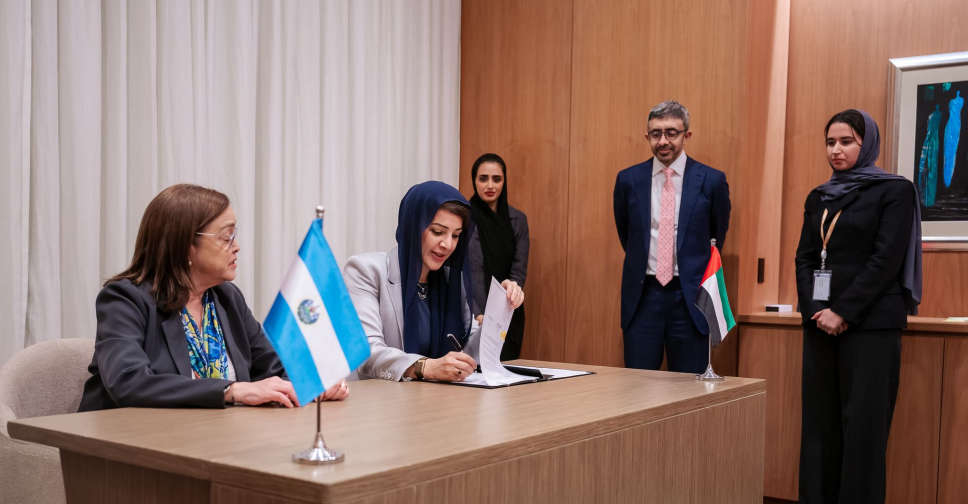 Sheikh Abdullah holds series of meetings at UN General Assembly
 UAE allocates $10 million to fight Ebola outbreak in Africa
 Dubai event prepares more than 10 million meals for Gaza
 Abu Dhabi Police urges parents to ensure children use e-scooters safely
 Dubai to ban trucks on key roads during 'peak hours'
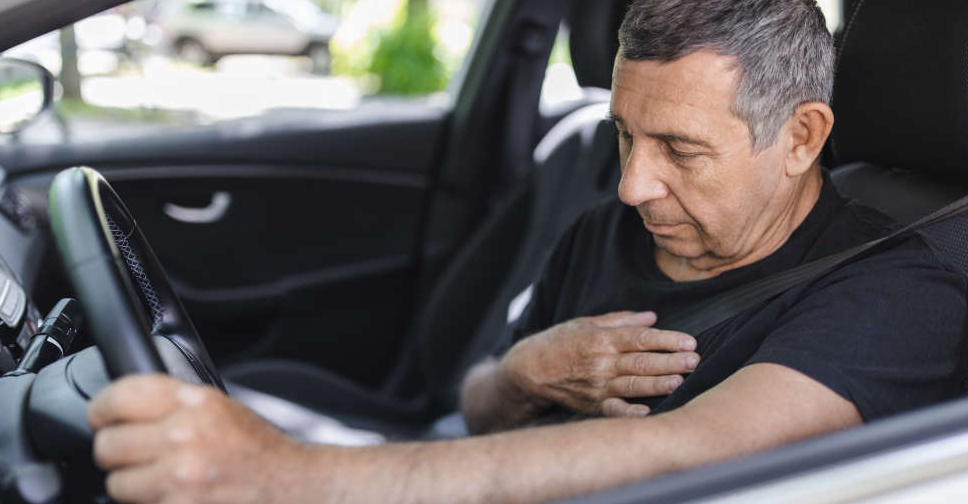 Dubai Police issues warning after driver passes out and crashes car
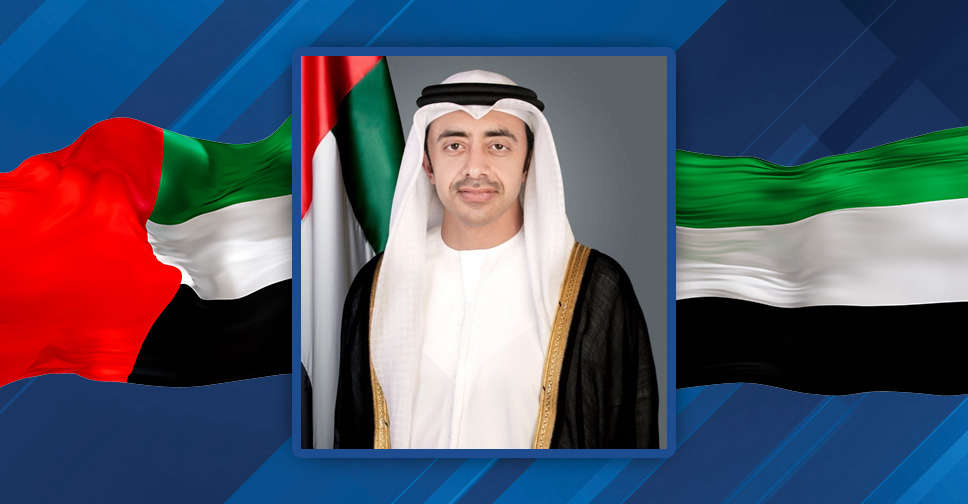 Sheikh Abdullah holds high-level meetings with global leaders in New York
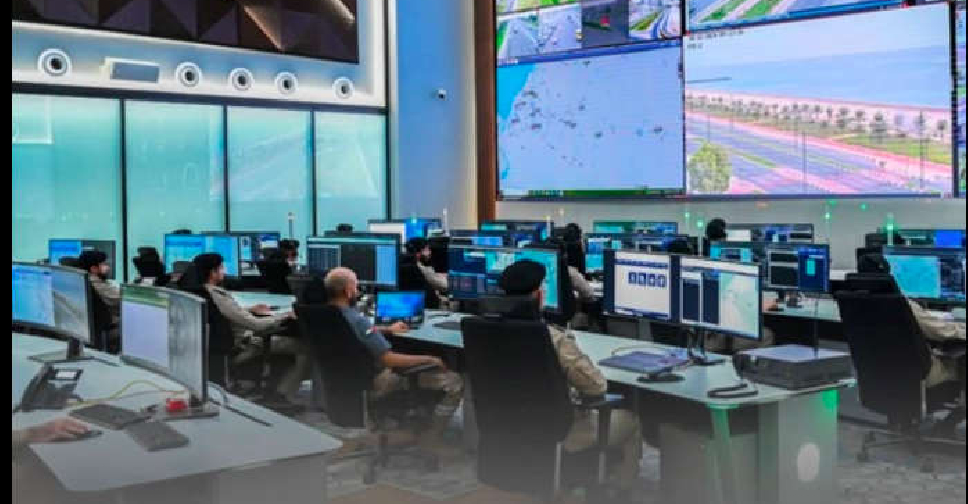 Sharjah Police recovers stolen car within record 2 hours
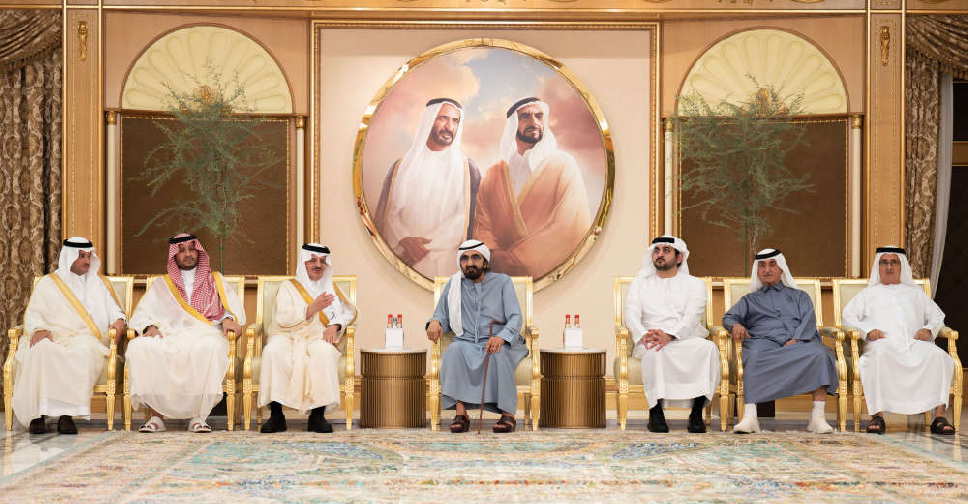 High-level Saudi delegation offers condolences to H.H. Sheikh Mohammed
 Sharjah Police refutes reports of murder victim's family going missing
 UAE condemns attacks in Ethiopia, urges de-escalation
 UAE strengthens focus on early childhood, family wellbeing
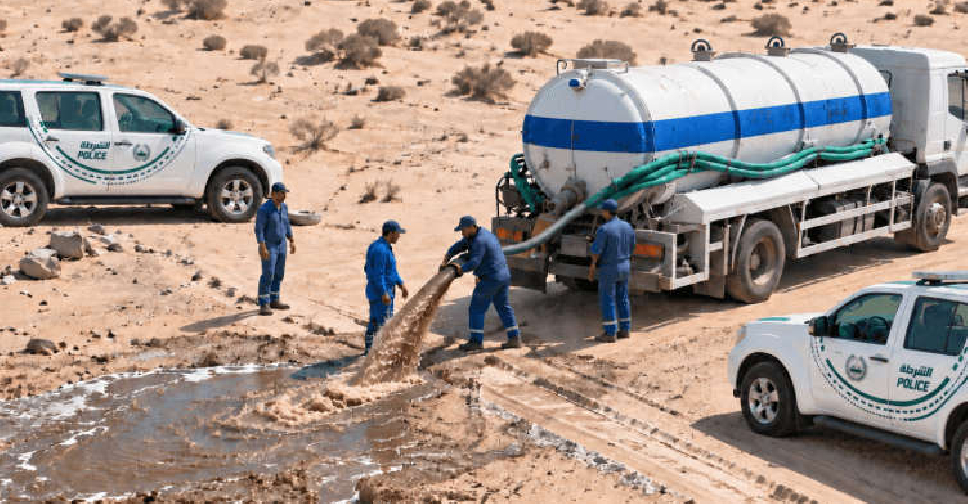 17 tanks seized in Dubai for illegal waste disposal in first half of 2026
 Dubai Municipality records over 2,000 violations in residential areas
 UAE announces suspension of Iranian airlines' flights
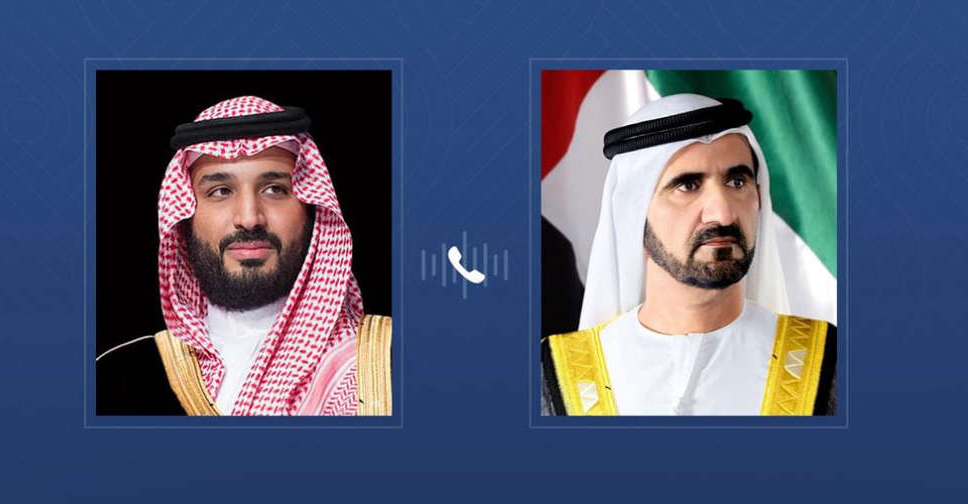 Saudi Crown Prince offers condolences to H.H. Sheikh Mohammed
 UAE to equip one million Lebanese in AI skills under new partnership

