
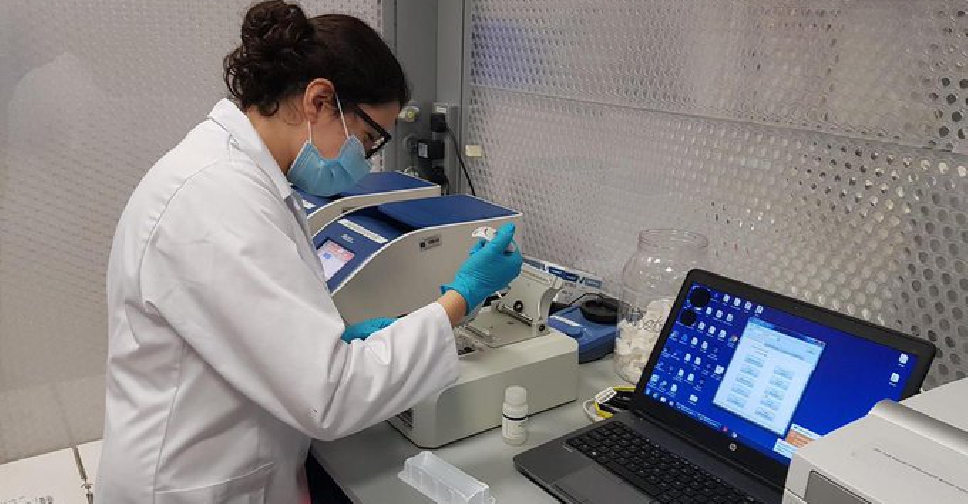
The latest research by New York University Abu Dhabi could significantly, and cost-effectively, improve testing accuracy for COVID-19.
The three-step approach can detect people with the early stages of the virus as well as asymptomatic cases.
The Biology Programme and Centre for Genomics and Systems Biology's method employs a pre-amplification step and microfluidic technology to find low viral loads.
Rather than combining the RT and qPCR reactions, the NYUAD researchers, led by Professor of Biology at NYU and NYUAD Kris Gunsalus and Assistant Professor of Biology at NYUAD Youssef Idaghdour, employed a technique involving sequential RT, cDNA preamplification, and qPCR, using a microfluidics platform.
Researchers say the process will expand accurate detection to saliva testing and help curtail the spread of the virus.
They demonstrated reliable ultra-sensitive and quantitative detection of low SARS-CoV-2 viral loads using synthetic viral RNA, clinical nasopharyngeal swab samples and saliva samples.
These include samples previously diagnosed as negative by clinical diagnostic testing.
Their findings, reported in the journal Processes, are that this microfluidic RT-PCR assay is a sensitive, quantitative, and cost-effective detection strategy.
It could markedly reduce the false-negative rate of clinical diagnostic tests, a potentially valuable tool in coronavirus active screening and early detection programmes.
Dr Idaghdour said, "By adding a pre-amplification step and using microfluidic technology, we have demonstrated that this sensitive detection method can detect low viral loads, which is critical to enabling the most effective public health responses to the COVID-19 pandemic."
"Our three-step approach can significantly reduce the false-negative rate of standard RT-PCR-based diagnostic tests for SARS-CoV2 and other viral infections. This would allow public health officials to more readily identify and trace asymptomatic individuals, enhance the accuracy of air and environmental sampling for SARS-CoV-2, expand accurate detection to saliva testing and help curtail the spread of the virus," he added.


 UAE air defences respond to missile threats, Thursday morning
 UAE says Iranian attack on energy infrastructure 'dangerous escalation'
 UAE discuss Iran attacks with regional neighbours in ministerial meeting
 UAE refutes false claims on investor money controls
 Abu Dhabi responds to missile debris incidents at energy sites
 UAE responds to new wave of missile threats
 UAE ensures steady flow of food supplies ahead of Eid
 UAE affirms targeting Iran's Pars gas field threatens global energy security
 Sheikh Abdullah discusses West Bank attacks with Palestine Vice President
 UAE announces first day of Eid Al Fitr
 UAE minister carries out stock checks at Carrefour distribution centre
 Sharjah Police crack down on modified bikes, cars over noise violations
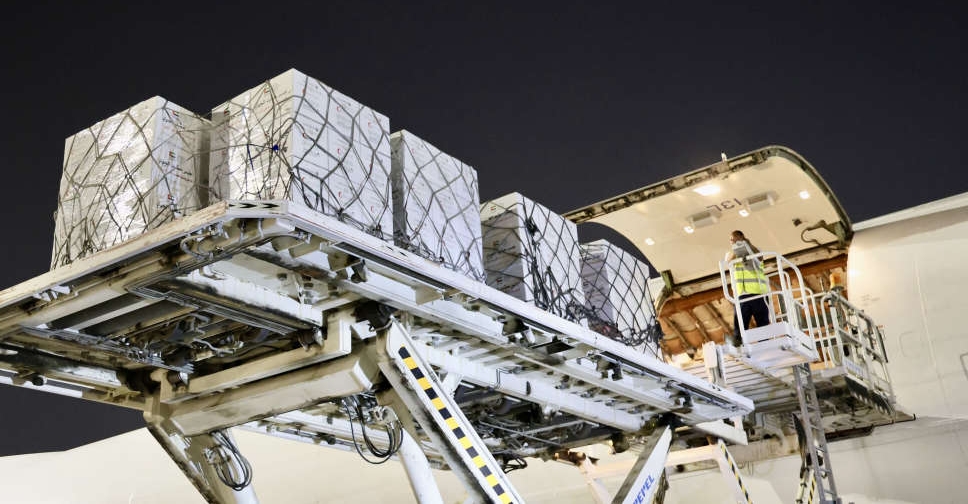 More relief aid enters Gaza under UAE's 'Humaid Air Bridge'
 Dubai confirms successful air interceptions on Wednesday
 UAE, Ethiopia discuss regional tensions and developments
 Abu Dhabi approves AED4.21 billion housing benefits for citizens
 UAE President, Sultan of Oman exchange Eid Al Fitr greetings by telephone
 H.H. Sheikh Mohammed allocates 4,631 residential plots to Dubai citizens
 Dubai Airports maintains strong operations during regional developments

